Sump pump · Greeley, CO
Sump pump repair in Greeley, CO: when the pump will not run, or will not stop
A sump pump sits in a pit in the basement or crawl space and pushes water out of the house before it can spread. When it stops, runs without a break or makes new noises, the pit is no longer protected. This page covers sump pump repair in Greeley, CO: the warning signs, the two pump types, the check valve, battery backup and replacement. Call now to connect with a local plumber for sump pump repair in Greeley.
Local plumbers in Greeley • Straightforward service • No obligation to hire.
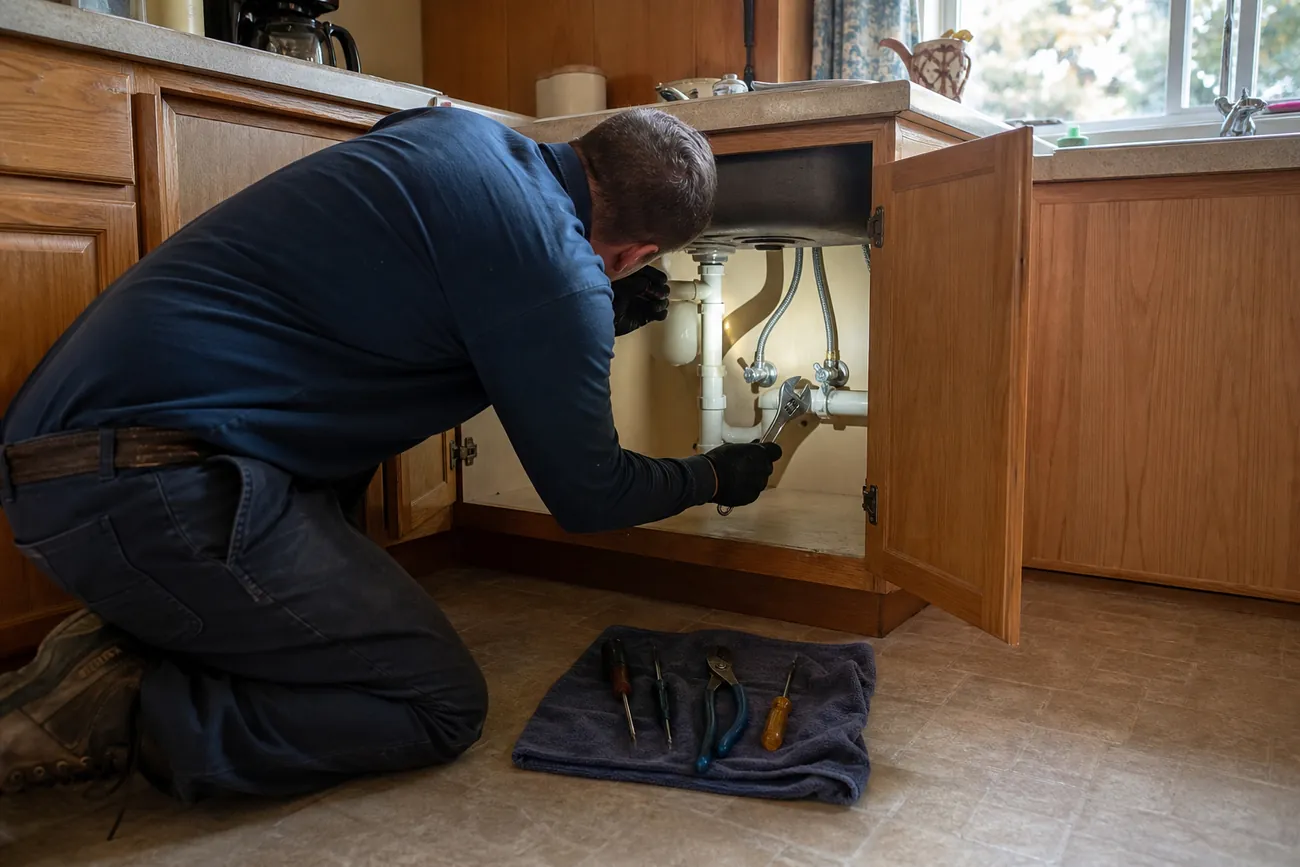
Sump pumpNot running, nonstop or noisy
Warning signs
Sump pump repair: signs the pump is failing
Most pumps give some warning. What the pump does, or no longer does, points to the cause.
-
Will not turn onWater in the pit
The pit has water, but the pump stays silent. A stuck float switch, a dead motor or a loss of power can all do this. This is the one that leaves the pit unprotected.
-
Runs nonstopNever shuts off
A float switch that sticks in the up position, a failed check valve letting water fall back, or a pit that keeps filling can keep it running. A pump running with little or no water in the pit can wear out fast.
-
Turns on and off in short burstsShort cycling
Often a check valve that is not holding, or a float that is in the wrong spot. The pump moves the same water out again and again.
-
Loud, rattling or grindingNoise
A worn motor or bearings, or the pump is running dry. A clanking sound after the pump shuts off can come from the check valve.
-
Runs but moves little waterWeak output
A clogged intake, a worn impeller or a blocked or frozen discharge pipe. The motor sounds fine, but the pit level barely drops.
-
Old, rusty or never testedAge
A pump that has sat for years may fail the first time it is asked to work hard. This page gives no lifespan figure; a plumber can judge the one you have.
Do not reach into the pit. The pump can start on its own when the float rises. Look with a flashlight from above, and note what you see for the plumber.
Sump pump failing before the next heavy rain? Call now to connect with a local plumber for sump pump repair in Greeley.
Call (970) 633-4799Pump types
Pedestal and submersible sump pumps
The two common types do the same job. They differ in where the motor sits and how the pump is replaced.
Pedestal pump
- The motor sits on a column above the pit, out of the water
- Easier to see and reach
- Usually louder, and the column is visible in the room
- Often chosen where the pit is small or tight
Submersible pump
- The whole pump sits down in the pit, under water
- Generally quieter, and the pit can be covered
- Harder to inspect, because it is below the waterline
- Comes out of the pit as a unit when it is replaced
Which type fits depends on the pit and what is there now. A plumber can say whether the current type is worth keeping.
The part people forget
The check valve: why the water does not fall back
The check valve is a one-way valve on the discharge pipe, just above the pump. It lets water leave the pit and stops the water in the pipe from running back down when the pump shuts off.
Without it, the pump has to push the same water out again on each cycle. A worn check valve is a common reason for short cycling and for a thump or clank right after the pump stops. It is a small part, and it is often replaced along with the pump.
Battery backup
Battery backup: what it does, and what it does not
A backup is a second pump with its own battery. It takes over if the main pump fails or the house loses power.
What it can do
- Keep water moving out of the pit during a power outage
- Cover for the main pump if it fails
- Some units sound an alarm when water rises or the battery is low
What it cannot do
- Run forever. A battery has limits and needs checking
- Fix a blocked discharge pipe or a stuck float
- Replace a main pump that is failing and needs service
Ask what size and type of backup suits your pit. This page gives no run times or ratings.
Repair or replace
Replacing a sump pump: how the work goes
Some problems are small parts. A pump that is old, burned out or failing repeatedly is usually replaced. This is a general outline; the plumber will explain the steps for your pump.
Look at the pit and the old pump
The plumber checks the float, the intake, the check valve and the discharge pipe, and what the pit and pump are doing.
Power is disconnected, the old pump comes out
The discharge pipe is separated and the old pump is lifted from the pit. A plumber or electrician makes the electrical connection to the new one.
New pump and check valve set in the pit
The pump is placed so the float can move freely and the intake is clear of the bottom. A new check valve goes on the discharge pipe.
Tested with water
Water is added to the pit to raise the float, and the pump is watched through a few cycles.
Where the water goes
The discharge pipe
The goal is to carry pit water away from the foundation, so it does not run back toward the house. A discharge outlet that points at the wall, ends too close, freezes shut or is crushed can make a good pump look like a bad one.
This page does not state a local rule for where sump water is allowed to go. Ask the plumber to confirm the outlet location before it is set. If the pit keeps filling in dry weather, the water may not be groundwater at all; see leak detection and water service line replacement for a leaking supply line.
If the water is already rising
When a failed pump becomes an emergency
If water is coming up in the basement faster than anything can move it, you are past a sump pump repair and into damage control.
Where to go
- Water is spreading across the floor: read emergency plumber for first steps and who to call
- Water is dripping from a pipe or ceiling, not coming up from the pit: that is a different problem; see leak detection
- Photograph the water and what it reached, before cleanup. Questions about damage and coverage go to your insurer
Waterproofing, grading and drain tile are a different trade; a plumber works on the pump and its piping.
Before you call
What to have ready
If you can read the label on the pump without reaching into the pit, a photo of it helps with parts and replacement.
Tell the plumber
- What the pump does: silent, nonstop, short cycles, noisy or weak
- Whether there is water in the pit now, and how high it is
- Pedestal or submersible, if you can tell, and whether there is a backup
- Whether the problem began after a storm, a power outage or a cold snap
- Where the discharge pipe leaves the house
FAQ
Sump pump repair in Greeley: common questions
Why does my sump pump run constantly?
Common causes are a float switch stuck in the up position, a worn check valve letting water fall back into the pit, or a pit that keeps filling. A pump running without enough water can wear out. A plumber can tell which it is.
Why will my sump pump not turn on?
A stuck float, a dead motor or lost power. Do not reach into the pit to test it, because the pump can start on its own. If there is water in the pit and the pump is silent, call.
Do I need a battery backup for my sump pump?
A backup keeps water moving if the power goes out or the main pump fails. It does not fix a pump that needs service, and a battery has limits. Whether you need one depends on your pit and how much you rely on it.
What is a sump pump check valve?
A one-way valve on the discharge pipe above the pump. It lets water leave the pit and keeps the water in the pipe from flowing back down. A worn one can cause short cycling or a clank after each cycle.
Where can sump pump water be discharged?
This page does not state a local rule. The general aim is to carry water away from the foundation, and the plumber should confirm the outlet location before it is set.
What should I do while waiting for a plumber?
Check that the pump is plugged in and its breaker has not tripped, and move items off the floor near the pit. Note whether the pump will not start, will not stop or is making new noises.
Call about the sump pump
Say what the pump is doing, whether there is water in the pit, and what type of pump you have.
Reviewed October 2026